Automation
Replacing manual accounting steps with automated ones.

Cost of QuickBooks Online Accountant: Pricing Drivers and Plan Fit for Finance Teams
Finance leaders don’t buy accounting platforms for features alone—they buy them for control, auditability, and predictable cost as transaction volume grows. The challenge is that pricing pages rarely map cleanly to how a finance team actually works: who needs access, what level of review is required, and how frequently the books are closed. That’s why understanding the cost of quickbooks online accountant requires more than scanning a monthly subscription figure; it requires translating plans into workflow impact.

Financial Accuracy in Month-End Close: Controls CFOs Can Put in Place
Month-end close is not just a reporting milestone—it is the primary control point where errors are either prevented, detected, or unintentionally carried forward. For CFOs, the objective is consistent, repeatable financial accuracy: numbers that tie out, are supportable, and hold up under internal and external scrutiny. When the close is rushed or overly manual, even disciplined teams can miss cut-off issues, duplicate entries, mapping mistakes, and incomplete accruals.



Harnessing QuickBooks Online Automation for Efficient Accounting
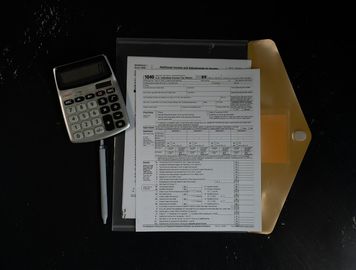
Modern finance teams are pressed to close faster, reduce errors, and provide more actionable reporting—often without increasing staff. The most sustainable route is not simply “working harder”; it's developing repeatable accounting operations that minimize re-keying, standardize classifications, and identify exceptions early. QuickBooks Online automation is most beneficial when approached as a process redesign, not merely a feature toggle.
Enhancing Accounting Efficiency: Methods and Resources for the Contemporary Finance Professional
Accounting Efficiency Today

Financial Process Automation Software: How It Changes the CFO Role
Finance leaders are increasingly expected to deliver quicker closes, stricter controls, and more insightful forward-looking predictions, often without additional resources. In such a scenario, financial process automation software has become a necessity rather than a luxury, acting as the operating system for modern finance. Many CFOs are harnessing automation not only to reduce manual labor but also to reshape how finance partners with the business.

Maximizing Efficiency: A Comprehensive Guide to QuickBooks Automated Sales Tax for Finance Professionals
Modern finance teams are expected to deliver faster closes, cleaner audits, and tighter cash forecasting—while tax complexity continues to increase. Sales tax is a prime example: rates change frequently, nexus rules evolve, and the cost of mistakes can be material, especially when penalties and interest accumulate over multiple periods.
Streamlining Accounting Processes with the Duco Reconciliation Tool
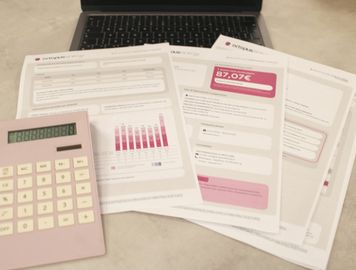
Finance organizations often face challenges not because they lack data, but because the data they have is fragmented, duplicated, and difficult to verify as complete and accurate under time pressure. As transaction volumes increase, manual reconciliation becomes a bottleneck that heightens operational risk and delays close. The practical goal for CFOs is not just 'faster matching,' but tighter controls, fewer surprises, and a scalable process.
Your Next Close Is Already Counting Down
Every hour your team spends on manual reconciliations is an hour they're not doing higher-value work. Equility handles the matching, the checks, and the errors — so your close takes hours, not days.